Understanding Cognitive Decline
Cognitive decline is not a single condition but a spectrum of changes in memory, processing speed, executive function, and language that can range from the mild cognitive slowing that is a normal part of healthy aging to the more severe progressive decline of dementia conditions. The distinction between these two trajectories is increasingly understood to be substantially influenced by modifiable lifestyle and nutritional factors — not just by genetics and chance. Large population studies suggest that up to 40% of dementia cases globally may be attributable to modifiable risk factors, most of which are nutritional, vascular, and lifestyle in nature.
Cognitive decline prevention therefore represents one of the most important areas where evidence-based nutritional and lifestyle choices can produce meaningful long-term outcomes. The window for effective prevention is large — protective interventions are most effective decades before any symptomatic decline appears, not after it is established.
Evidence-Based Dietary Patterns for Brain Health
The MIND diet (Mediterranean-DASH Intervention for Neurodegenerative Delay) is the most extensively researched dietary pattern for cognitive decline prevention. A prospective study published in Alzheimer’s and Dementia (Morris et al., 2015) found that strict MIND diet adherence was associated with a 53% reduction in Alzheimer’s disease risk and a significantly slower rate of cognitive decline over 4.5 years compared to low adherence. The MIND diet emphasises leafy green vegetables (particularly high in folate), berries (anthocyanin antioxidants), whole grains, fish, olive oil, nuts, beans, and poultry, while limiting red meat, butter, cheese, pastries, and fast food.
The Mediterranean diet, also extensively studied, similarly demonstrates significant associations with reduced cognitive decline and dementia risk in prospective cohort studies, particularly for its emphasis on omega-3 rich fish, olive oil polyphenols, and diverse phytonutrient intake from vegetables and legumes.
Discover Synaptril’s complete 8-ingredient cognitive formula and 60-day guarantee.
🧠 View SynaptrilKey Nutrients for Cognitive Protection
Beyond overall dietary patterns, specific nutrient deficiencies are among the most modifiable risk factors for accelerated cognitive decline. Omega-3 fatty acids (DHA and EPA from fatty fish) are structural components of neuronal membranes and are associated with reduced rates of cognitive decline in population studies; supplementation trials show modest but consistent benefits for older adults with low baseline DHA. B vitamins (particularly B12, B9 folate, and B6) are essential for homocysteine metabolism; elevated homocysteine is an independent risk factor for cerebrovascular damage and cognitive decline, and B vitamin supplementation in people with elevated homocysteine significantly slows brain atrophy in RCTs. Vitamin D deficiency is one of the most prevalent nutritional deficiencies in Western populations and is consistently associated with impaired cognitive function in cross-sectional and prospective studies.
Choline Intake and Long-Term Brain Health
Choline is an essential nutrient required for acetylcholine synthesis and neuronal membrane phosphatidylcholine production, yet most adults consume less than the adequate intake. Long-term choline insufficiency is associated with accelerated hippocampal atrophy and increased Alzheimer’s risk. Eggs and beef liver are the primary dietary choline sources; supplementation with Alpha GPC (the form in Synaptril) provides the most brain-bioavailable supplemental choline.
Lifestyle Factors in Cognitive Decline Prevention
Nutritional strategies for cognitive decline prevention work in context with lifestyle factors that have strong independent evidence. Physical exercise is the single most robustly evidence-supported intervention for reducing cognitive decline risk: aerobic exercise increases hippocampal volume (which typically shrinks with age), elevates brain-derived neurotrophic factor (BDNF) levels, improves cerebrovascular health, and reduces systemic inflammation. A minimum of 150 minutes of moderate aerobic exercise per week is associated with significantly reduced dementia risk in prospective studies. Sleep quality is critical: the glymphatic system that clears beta-amyloid and other neurotoxic waste products from the brain operates primarily during slow-wave sleep, and chronic sleep insufficiency dramatically accelerates the accumulation of these pathological proteins.
Cognitive Reserve
Lifelong cognitive engagement — continued learning, social connection, intellectually demanding work, and novel cognitive challenges — builds cognitive reserve that delays the clinical expression of neuropathological changes. People with higher cognitive reserve show fewer cognitive symptoms for equivalent levels of brain pathology.
Targeted Supplementation for Brain Health
Targeted supplementation can fill the gaps that even a high-quality diet leaves open, particularly as aging changes nutritional needs and absorption efficiency. The most evidence-supported supplements for long-term cognitive health include: phosphatidylserine (FDA-qualified health claim for cognitive support in aging); bacopa monnieri (multiple RCTs demonstrating memory and processing speed benefits); ginkgo biloba (Cochrane review confirming consistent cognitive benefits in aging populations); lion’s mane mushroom (clinical evidence for NGF stimulation and cognitive function improvement); and B vitamin complex (evidence for slowing cognitive decline in people with elevated homocysteine).
The Timing of Preventive Supplementation
Preventive supplementation is most effective when started before symptomatic decline appears. Waiting until cognitive changes are noticeable means the opportunity for the most impactful prevention has passed. The most cognitively protective period for starting a targeted brain health supplement protocol is in one’s 40s and 50s, well before any subjective changes in cognitive ability.
Synaptril in a Cognitive Protection Strategy
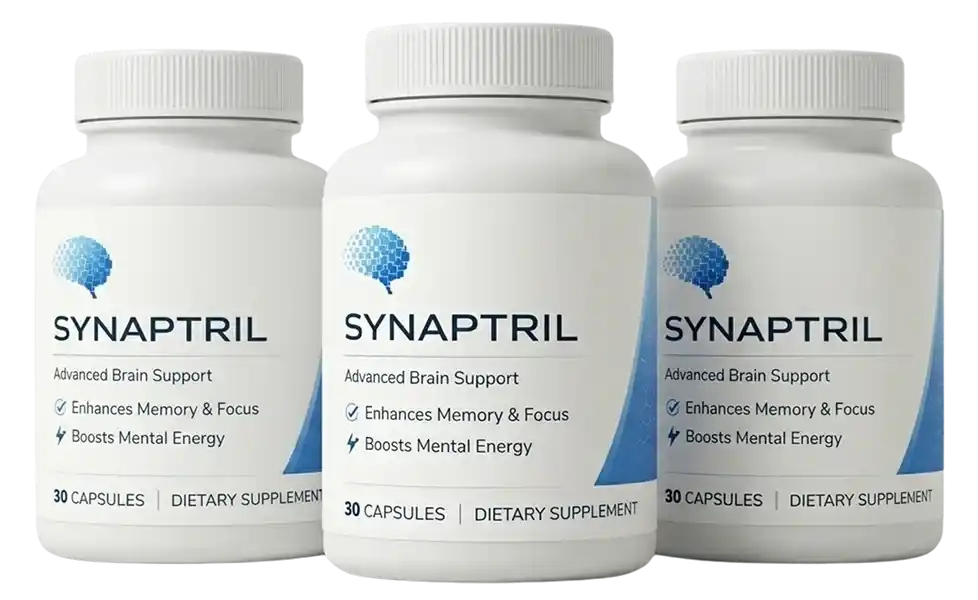
Synaptril’s 8-ingredient formula addresses multiple dimensions of the evidence-based cognitive protection picture. Its B Complex (B6, B9, B12) supports homocysteine regulation and neurological energy. Phosphatidylserine directly addresses neuronal membrane health with FDA-qualified evidence. Bacopa provides hippocampal protection and cholinergic support. Ginkgo maintains cerebrovascular health and cerebral blood flow. Lion’s Mane stimulates NGF for neuronal maintenance. Alpha GPC provides the most brain-bioavailable choline to support acetylcholine synthesis and membrane phospholipid production. Rhodiola and L-Theanine protect cognitive performance from the stress-related deterioration that accelerates cognitive aging.
Used consistently as part of a comprehensive cognitive health protocol that includes the MIND or Mediterranean diet, regular aerobic exercise, adequate sleep, and ongoing cognitive engagement, Synaptril provides the targeted nutritional supplementation layer that diet alone often fails to fully supply.
Discover Synaptril’s complete 8-ingredient cognitive formula and 60-day guarantee.
🧠 View SynaptrilFurther reading
- Synaptril Brain Supplement: Complete User Guide
- How Synaptril Supports Memory: The Science Explained
- Alpha GPC for Focus and Cognition: What Research Shows
- Rhodiola Rosea and Mental Fatigue: Evidence Review
- Best Time to Take a Brain Supplement for Results
- Cognitive Decline Prevention: Diet and Supplement Strategies
More on the Synaptril blog. Visit the official site for pricing and guarantee details.